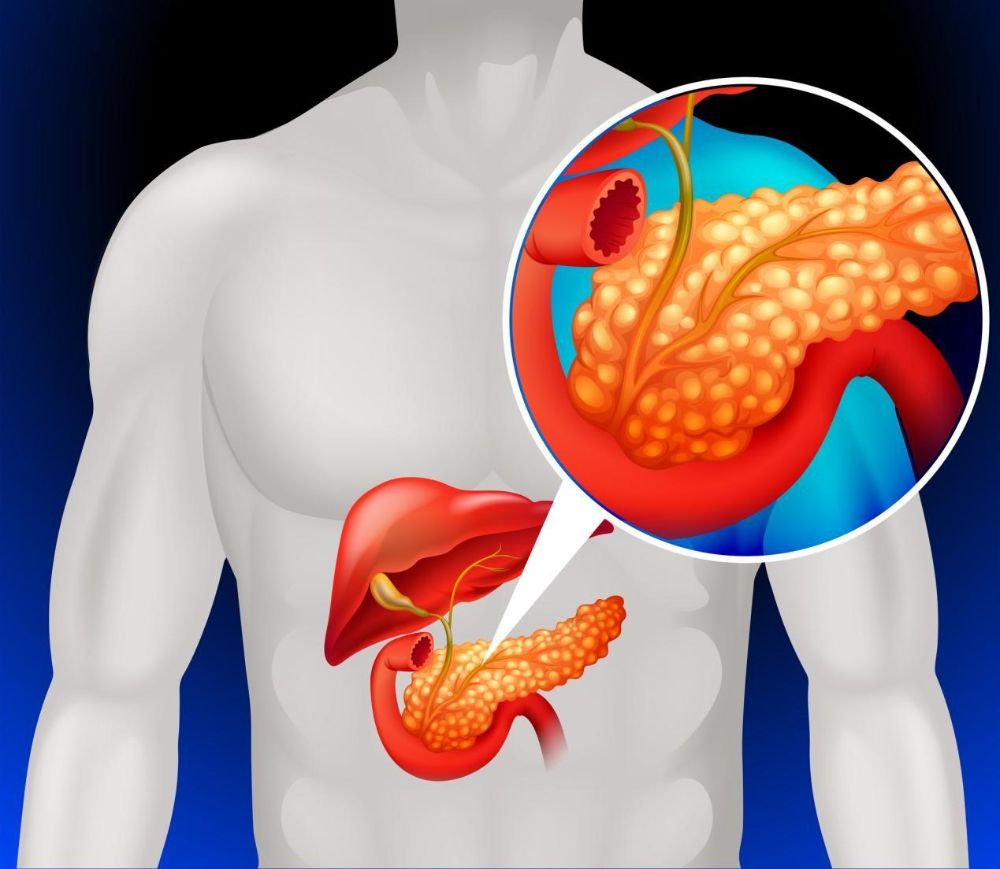
Pancreatic Cancer Surgery in West Delhi
Pancreatic cancer develops when abnormal cells grow within the pancreas. Because the pancreas is located deep within the abdomen, symptoms can sometimes be subtle or appear later, making accurate diagnosis and specialist assessment particularly important for understanding the disease and planning appropriate treatment.
Dr. Manish Jain is a GI & HPB Oncosurgeon consulting at the Gastro & HPB Surgery Center in Moti Nagar, West Delhi, with a documented clinical focus that includes pancreatic cancer surgery. Every patient is evaluated individually, with treatment planning based on the tumour type, location, cancer stage, and overall health.
What Is Pancreatic Cancer?
The pancreas is an organ located behind the stomach that plays an important role in digestion and blood sugar regulation. It produces digestive enzymes and hormones such as insulin. Pancreatic cancer develops when abnormal cells grow within the pancreas. Pancreatic tumours can be of different types, with pancreatic adenocarcinoma being the most common. Other types, including pancreatic neuroendocrine tumours, can also occur and may require different treatment approaches. Because symptoms may be subtle or appear late, accurate diagnosis and specialist evaluation are important for understanding the tumour and planning appropriate treatment.
When May Surgery Be Recommended
for Pancreatic Cancer?
Surgery may be considered depending on factors assessed during specialist evaluation, including:
The tumour's location within the pancreas
The stage of the cancer
Whether the tumour can be safely removed (resectability)
Whether major blood vessels are involved
Whether the disease has spread
The patient's general health
Response to any prior treatment
These factors are considered together, after appropriate evaluation, on an individual case basis.
Types of Surgery for Pancreatic Cancer
Whipple Procedure (Pancreaticoduodenectomy)
The Whipple procedure may be considered for selected tumours involving the head of the pancreas. It generally involves removal of the affected part of the pancreas along with nearby structures, depending on the individual case.
Distal Pancreatectomy
Distal pancreatectomy may be considered for selected tumours located in the body or tail of the pancreas, involving removal of that portion of the gland.
Medical Assessment Note: The type and extent of pancreatic cancer surgery are not the same for every patient. The appropriate procedure depends on the tumour's location, stage, resectability, involvement of nearby structures, extent of disease, and the patient's overall health.
Understanding
Pancreatic Cancer
Pancreatic tumours can differ significantly in type, behaviour, location, and treatment requirements. Specialist evaluation helps determine the most appropriate approach for each patient.
Types of Pancreatic Cancer
Not all pancreatic tumours are the same. Pancreatic adenocarcinoma is the most common type and arises from the ducts of the pancreas, while pancreatic neuroendocrine tumours arise from different cells and tend to behave differently.
Treatment can vary significantly depending on the tumour type, its location within the pancreas, its stage, its underlying biology, and the patient's overall health. This is why specialist evaluation is important before deciding on a treatment approach.
What Is Pancreatic Cancer Surgery?
Pancreatic cancer surgery involves the surgical removal of the tumour and, depending on its location, may involve part or all of the pancreas along with nearby structures.
Pancreatic surgery is considered complex because of the pancreas's location near major blood vessels and its role in digestion and blood sugar control.
Factors Affecting Surgical Suitability
Surgical suitability depends on the cancer type, the tumour's location, its stage, whether nearby blood vessels are involved, whether the disease has spread, the patient's overall health, and how the patient has responded to any prior treatment.
Individualised Treatment Planning
Because pancreatic cancer can vary considerably from one patient to another, treatment planning is highly individualised. Specialist assessment helps determine whether surgery is appropriate and which treatment approach may be suitable.
What Is the Whipple Procedure?
The Whipple procedure, also called a pancreaticoduodenectomy, may be performed for selected pancreatic tumours located in the head of the pancreas. Depending on the individual case, it can involve removal of the affected part of the pancreas along with nearby structures such as part of the small intestine, gallbladder, and bile duct, with reconstruction to restore the digestive pathway.
Not every pancreatic cancer patient requires a Whipple procedure. Whether it is appropriate depends on the tumour's location, stage, and the patient's overall health. Surgical planning is carried out individually for each patient.
What Is Distal Pancreatectomy?
Distal pancreatectomy is the surgical removal of the body and/or tail of the pancreas, generally considered for tumours located in these regions.
As with other pancreatic procedures, whether this operation is appropriate — and whether the spleen is also removed — depends on the tumour's characteristics and location, determined through individual assessment.
Diagnosis and Staging Before Pancreatic Cancer Surgery
Depending on the case, doctors may recommend a combination of investigations to understand the tumour and plan appropriate treatment. These can include CT scan, MRI, MRCP, endoscopic ultrasound, biopsy in selected cases, blood tests, and tumour markers such as CA 19-9 where clinically appropriate.
Not every patient requires every test — the treating surgeon determines what is relevant to each individual case. Accurate diagnosis and staging are especially important in pancreatic cancer given how much treatment planning depends on the tumour's exact location and extent.
Understanding Resectable and Borderline Resectable Pancreatic Cancer
As part of evaluation, doctors may assess whether a pancreatic tumour can be safely and completely removed with surgery. Broadly, pancreatic cancer may be described as resectable (the tumour appears removable with surgery), borderline resectable (removal may be possible but is more complex, often involving nearby blood vessels), locally advanced (the tumour has grown into nearby structures in a way that makes upfront surgery difficult), or metastatic (the cancer has spread to other parts of the body).
These categories help guide treatment planning, though the specific classification and its implications for an individual patient are determined through specialist assessment.
Why Blood Vessel Involvement Matters in Pancreatic Surgery
The pancreas sits close to several major blood vessels, and the relationship between a tumour and these vessels can significantly affect surgical planning. Specialist imaging and careful assessment help determine whether and how surgery can be performed safely.
Involvement of nearby blood vessels does not automatically rule out surgery. In some cases, surgical planning may need to account for this, which is why detailed imaging and specialist evaluation are important before any decision is made.
How Other Treatments May Fit Into Pancreatic Cancer Care
Pancreatic cancer treatment often involves more than surgery alone. Depending on the individual case, treatment planning may include chemotherapy, and in selected cases, radiation therapy, targeted therapy, or immunotherapy, alongside supportive and nutritional care.
Some patients may receive treatment before surgery and/or after surgery, depending on their diagnosis and staging. Not every patient requires every treatment, and this page describes these options at a general educational level rather than confirming that Dr. Jain personally provides each one.
Why Multidisciplinary Care Can Matter in Pancreatic Cancer
Because pancreatic cancer treatment can involve several types of care, it often benefits from input across specialties, including surgeons, medical oncologists, radiation oncologists, radiologists, pathologists, gastroenterologists, and nutrition specialists.
This is a general description of how pancreatic cancer care commonly works; it does not represent a claim about a specific tumour board or multidisciplinary team at this clinic, which has not been separately confirmed.
Frequently Asked Questions
It is a surgical procedure to remove a pancreatic tumour, which may involve part or all of the pancreas along with nearby structures, depending on the tumour's location and extent.
This depends on the tumour's location, stage, whether it can be safely removed, whether major blood vessels are involved, and the patient's overall health, as assessed during specialist evaluation.
The Whipple procedure, or pancreaticoduodenectomy, may be performed for selected tumours in the head of the pancreas, generally involving removal of the affected pancreas along with nearby structures.
No. Suitability depends on the tumour's location, stage, and the patient's overall health, and is determined through specialist evaluation.
Distal pancreatectomy is the surgical removal of the body and/or tail of the pancreas, generally considered for tumours located in these regions.
Depending on the case, this may include CT scan, MRI, MRCP, endoscopic ultrasound, biopsy, blood tests, and tumour markers such as CA 19-9.
It generally means the tumour appears removable with surgery based on imaging and evaluation. Related terms include borderline resectable, locally advanced, and metastatic disease.
Yes. Depending on the individual case, chemotherapy may be considered before and/or after surgery as part of the overall treatment plan.
Recovery varies from patient to patient and generally involves nutritional support, monitoring for digestive or blood sugar changes, and follow-up appointments guided by the surgical team.
General risks can include bleeding, infection, blood clots, anaesthesia-related complications, pancreatic leak, and digestive or blood sugar changes. Individual risks should be discussed with the surgeon.
Yes. Because the pancreas plays a role in digestion and blood sugar regulation, some patients may experience related changes after surgery, which the surgical team monitors and manages.
Dr. Manish Jain consults at the Gastro & HPB Surgery Center, Sree Jee Gastro & Liver Clinic, in Moti Nagar, West Delhi.
Call the Moti Nagar clinic directly at +91 89290 60060 to schedule a consultation with Dr. Manish Jain.