
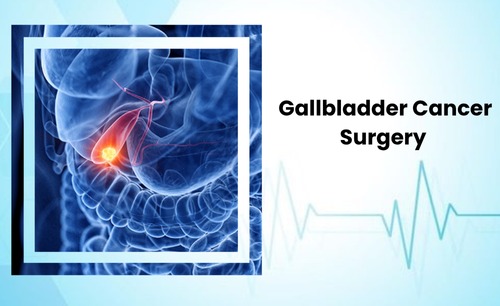
Gallbladder Cancer Surgery
The gallbladder is a small organ beneath the liver that stores bile, but gallbladder cancer is an aggressive disease that can spread quickly and is often detected late, especially in high‑incidence regions like North India, including Delhi NCR. Gallbladder cancer begins when cells in the inner lining of the gallbladder start growing uncontrollably, forming a tumor that can progressively extend through the wall into the liver and nearby structures.
Most gallbladder cancers are adenocarcinomas, arising from glandular cells, but other types such as squamous cell carcinoma, adenosquamous carcinoma, and small‑cell carcinoma can also occur and are typically more aggressive. Symptoms are often non‑specific or absent early on, but warning signs can include persistent pain in the upper right abdomen, jaundice, unexplained weight loss, nausea, vomiting, fever, and weakness, which are frequently mistaken for benign gallbladder or liver problems. Because India carries a high burden of gallbladder cancer, especially in northern states, timely evaluation and staging are critical for cure and long‑term control.
For patients seeking gallbladder cancer treatment in Delhi, access to accurate diagnosis, advanced surgery, and systemic therapies is essential. At BLK‑Max Super Speciality Hospital, New Delhi, Dr. Manish Jain — a leading GI Oncosurgeon and HPB Surgical Gastroenterologist — provides comprehensive, guideline‑based gallbladder cancer care, making him one of the best doctors in Delhi NCR and offering some of the best treatment in Delhi NCR for both early and advanced gallbladder cancer.
Gallbladder cancer surgery involves removing the gallbladder, and in some cases, nearby tissues or parts of the liver. It is most effective when the cancer is detected early and has not spread.
Recovery Timeline
- Hospital stay: 5–7 days
- Return to normal diet: within 1 week
- Resume work: 4–6 weeks
- Full recovery: 8–10 weeks
After radical surgery for gallbladder cancer, most patients stay in the hospital for about 5–7 days so that liver function, pain control, drain output, and early mobilization can be closely monitored. A soft or light diet is usually restarted within the first few days and built up to a normal diet over about a week, depending on the extent of liver resection and overall recovery.
Many individuals are able to resume light or desk‑based work in 4–6 weeks if there are no major complications, while complete internal healing and restoration of stamina generally take 8–10 weeks, especially after extended liver resections. Under Dr. Manish Jain’s care at BLK‑Max, recovery timelines and rehabilitation plans are customized to each patient, with a strong emphasis on safe discharge and close follow‑up in Delhi NCR.
Diet and Lifestyle
- Small, frequent meals
- Avoid high-fat foods
- Stay hydrated
- Regular follow-ups with imaging and tumor marker monitoring
Following gallbladder cancer surgery, especially when adjacent liver tissue has been removed, the digestive system needs time to adapt, and small, frequent meals help reduce bloating, discomfort, and indigestion. High‑fat foods can be more difficult to digest and may aggravate symptoms such as loose stools or abdominal cramps, so fried and very oily items are usually minimized.
Good hydration supports liver function, kidney function, and overall recovery, and patients are encouraged to drink water regularly throughout the day unless medically restricted. Long‑term, a balanced diet rich in fruits, vegetables, lean proteins, and whole grains, along with maintaining a healthy weight and staying active, supports general health and may lower the risk of other metabolic diseases. Regular follow‑ups with imaging and tumor markers (CEA, CA 19‑9) are crucial to detect recurrence early and guide further treatment if needed. Dr. Manish Jain and his team at BLK‑Max Super Speciality Hospital, New Delhi, provide structured follow‑up protocols and lifestyle counselling as part of holistic gallbladder cancer treatment in Delhi NCR.
Diagnostic Tests
- Ultrasound
- MRCP
- CT Scan (Abdomen)
- PET Scan
- Tumor markers (CEA, CA 19-9)
Diagnosis and staging of gallbladder cancer rely on a combination of clinical evaluation and advanced imaging. Ultrasound is often the first test that detects gallbladder abnormalities such as wall thickening, masses, or associated gallstones, prompting further evaluation. MRCP (Magnetic Resonance Cholangiopancreatography) provides detailed images of the bile ducts and surrounding structures, helping determine whether the tumor has involved the main bile ducts or pancreaticobiliary junction.
Contrast‑enhanced CT scans of the abdomen help define tumor size, depth of invasion, liver involvement, regional lymph nodes, and possible spread to nearby organs, which is essential for surgical planning and staging. PET‑CT may be used in selected patients to identify distant metastases that are not obvious on routine imaging, ensuring that surgery is offered only when curative resection is feasible. Blood tests, including liver function tests and tumor markers like CEA and CA 19‑9, can support diagnosis, staging, and follow‑up, although they are not specific on their own. At BLK‑Max, Dr. Manish Jain uses this comprehensive work‑up to plan the most appropriate combination of surgery and systemic therapy, delivering the best treatment in Delhi NCR tailored to each patient’s stage and condition.
Treatment
- Adjuvant Therapy: For muscle-invasive, node-positive, or margin-positive disease, adjuvant chemotherapy (e.g., Gemcitabine + Cisplatin, or Capecitabine) is recommended after surgery.
- Immunotherapy: Emerging role for immunotherapy combinations in advanced stages.
- Neoadjuvant Therapy: For high-risk incidental gallbladder cancer, neoadjuvant chemotherapy (e.g., gemcitabine-based regimen) before re-operation is being explored.
Surgery is the only potentially curative option for resectable gallbladder cancer, but many patients benefit from additional treatments based on final pathology and stage. In muscle‑invasive, node‑positive, or margin‑positive disease, adjuvant chemotherapy with regimens such as gemcitabine plus cisplatin or capecitabine is commonly recommended to lower the risk of recurrence and improve long‑term outcomes.
For advanced or metastatic gallbladder cancer, systemic chemotherapy and emerging immunotherapy combinations are used to control disease, relieve symptoms, and prolong survival, often within a multidisciplinary framework and sometimes in clinical trials. In patients with high‑risk incidental gallbladder cancer found unexpectedly after a simple cholecystectomy, neoadjuvant gemcitabine‑based chemotherapy before definitive re‑operation is being explored to downstage disease and improve resectability. At BLK‑Max Super Speciality Hospital, New Delhi, Dr. Manish Jain leads a multidisciplinary tumor board approach to select the most appropriate blend of surgery, chemotherapy, radiation, and immunotherapy, offering some of the best treatment in Delhi NCR for gallbladder cancer.
Surgical Options
- Radical Cholecystectomy: Removal of the gallbladder along with adjacent liver tissue and regional lymph nodes.
- Extended Liver Resection: If the cancer has spread into larger portions of the liver.
Radical cholecystectomy is the standard operation for most resectable gallbladder cancers and typically involves en bloc removal of the gallbladder, a wedge or segment of adjacent liver (often segments IVb and V), and regional lymph nodes to achieve clear margins and adequate nodal clearance. This operation can sometimes be performed via an open or selected minimally invasive approach in experienced centers, depending on tumor extent and patient factors.
When the tumor has spread more extensively into the liver or nearby vascular and biliary structures, an extended liver resection — such as segmental, lobar, or more complex hepatectomy — may be required to remove all visible disease while preserving enough functioning liver. These major hepatobiliary surgeries demand high‑level expertise, careful pre‑operative planning, and robust postoperative support. As a highly experienced GI Oncosurgeon and HPB specialist at BLK‑Max Super Speciality Hospital, New Delhi, Dr. Manish Jain performs radical cholecystectomy and extended liver resections using advanced techniques and a multidisciplinary care pathway, establishing him as one of the best doctors in Delhi NCR for gallbladder cancer surgery and comprehensive HPB oncology care.
Symptoms and Diagnosis

Abdominal pain or discomfort (upper right quadrant)

Loss of appetite

Nausea or vomiting

Unexplained weight loss

Jaundice (yellowing of skin and eyes)
FAQ
No FAQs available at the moment.